TRaces of human presence
Fanny Allié, Yana Beylinson, Ruti De Vries, Austin Fields, Páulla Scávazzini, Noga Yudkovik-Etzioni, Natalia Zourabova
Opening Reception: June 17, 6 - 8 pm
June 17 - August 1
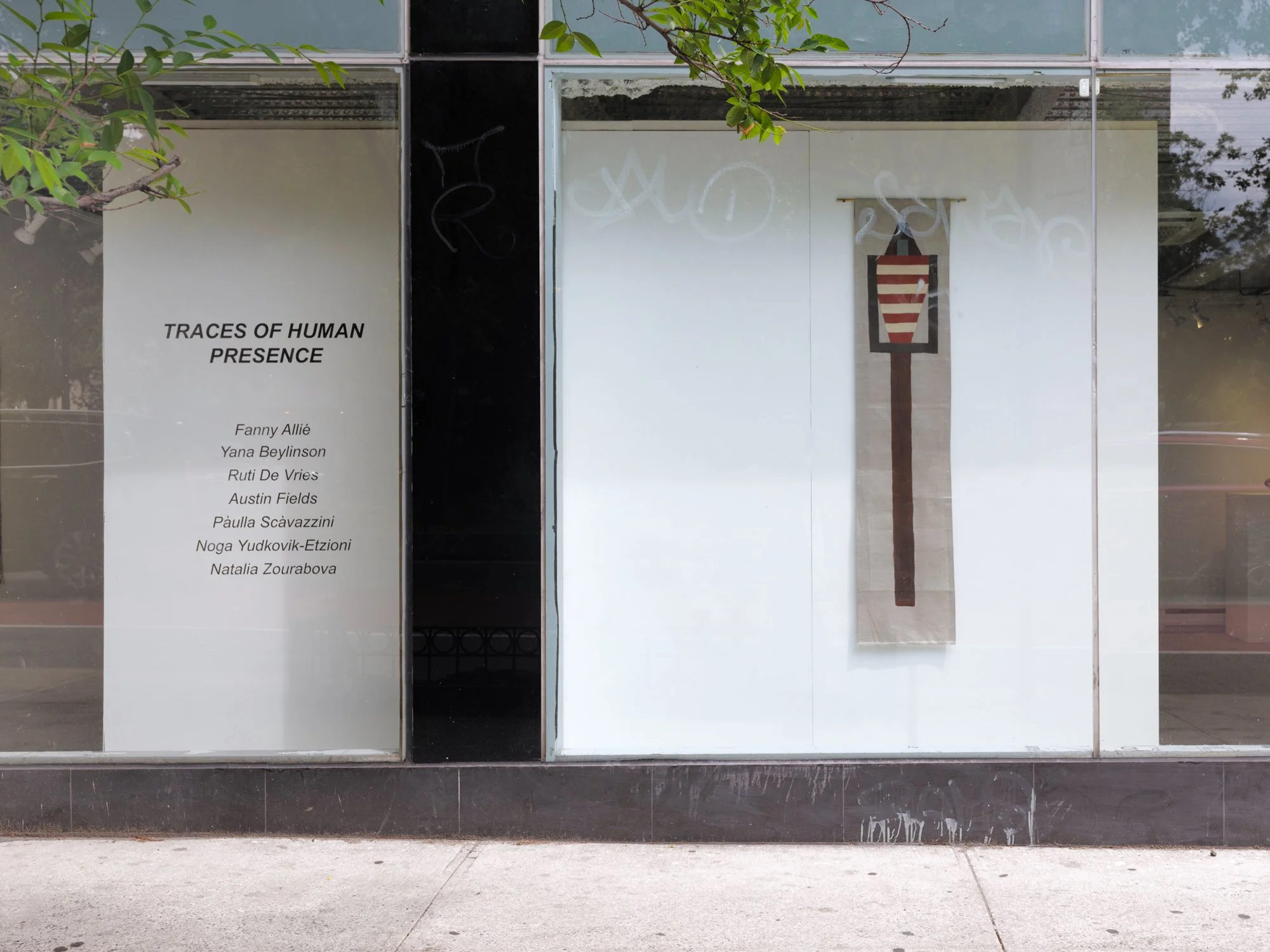
KALINER is pleased to present a group exhibition “Traces of Human Presence” featuring works by seven artists: Fanny Allié, Yana Beylinson, Ruti De Vries, Austin Fields, Páulla Scávazzini, Noga Yudkovik-Etzioni, and Natalia Zourabova.
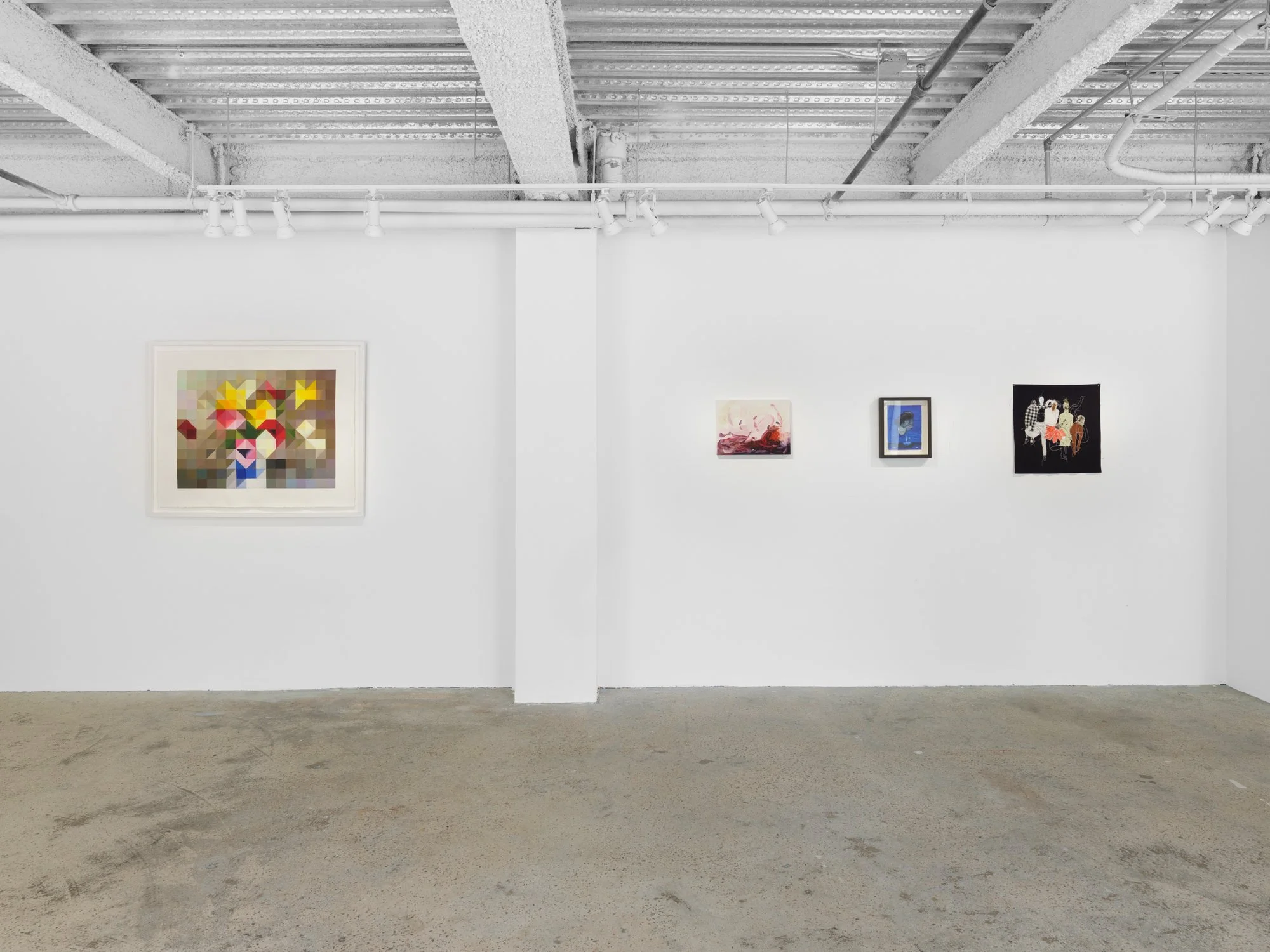
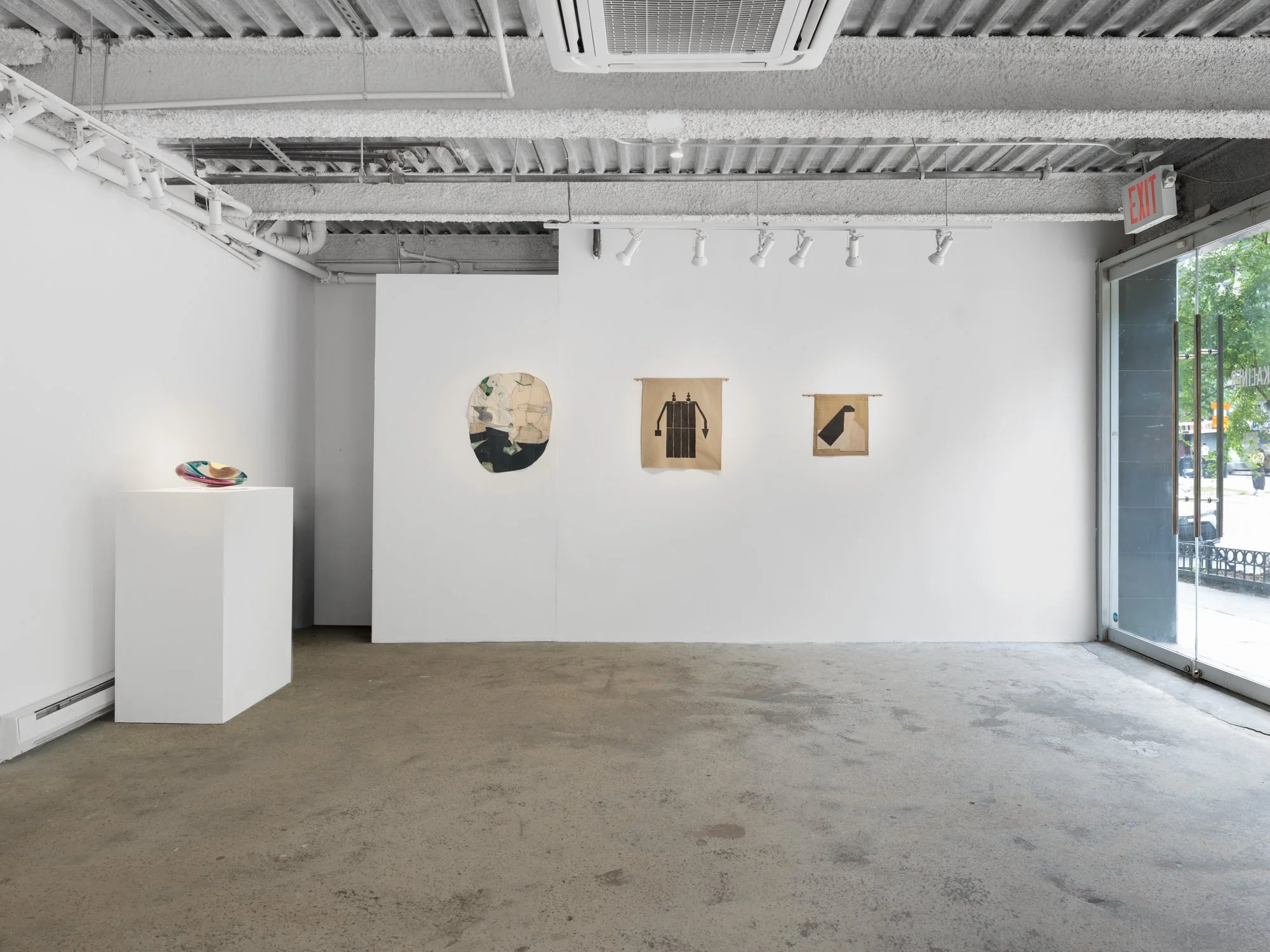
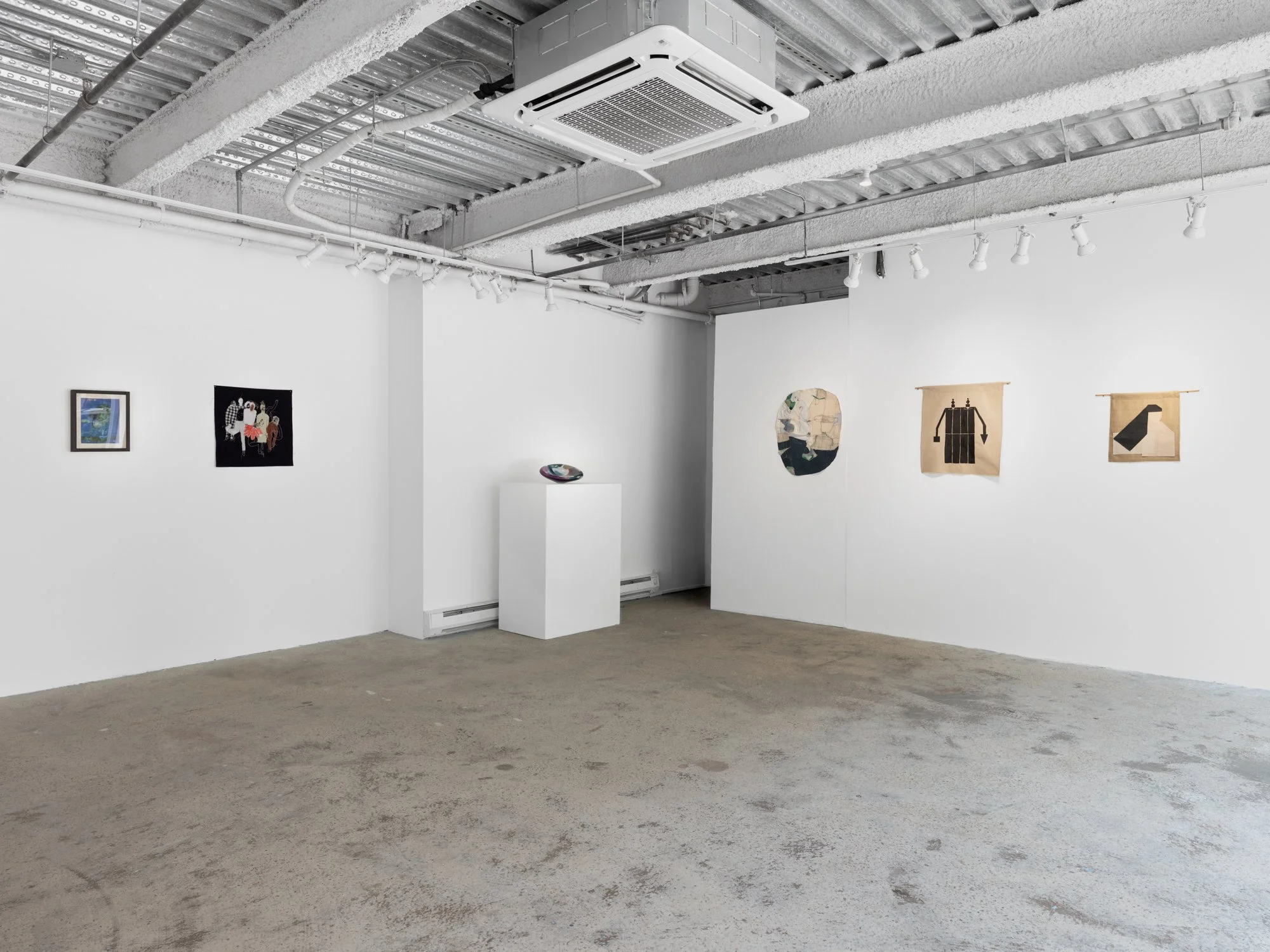
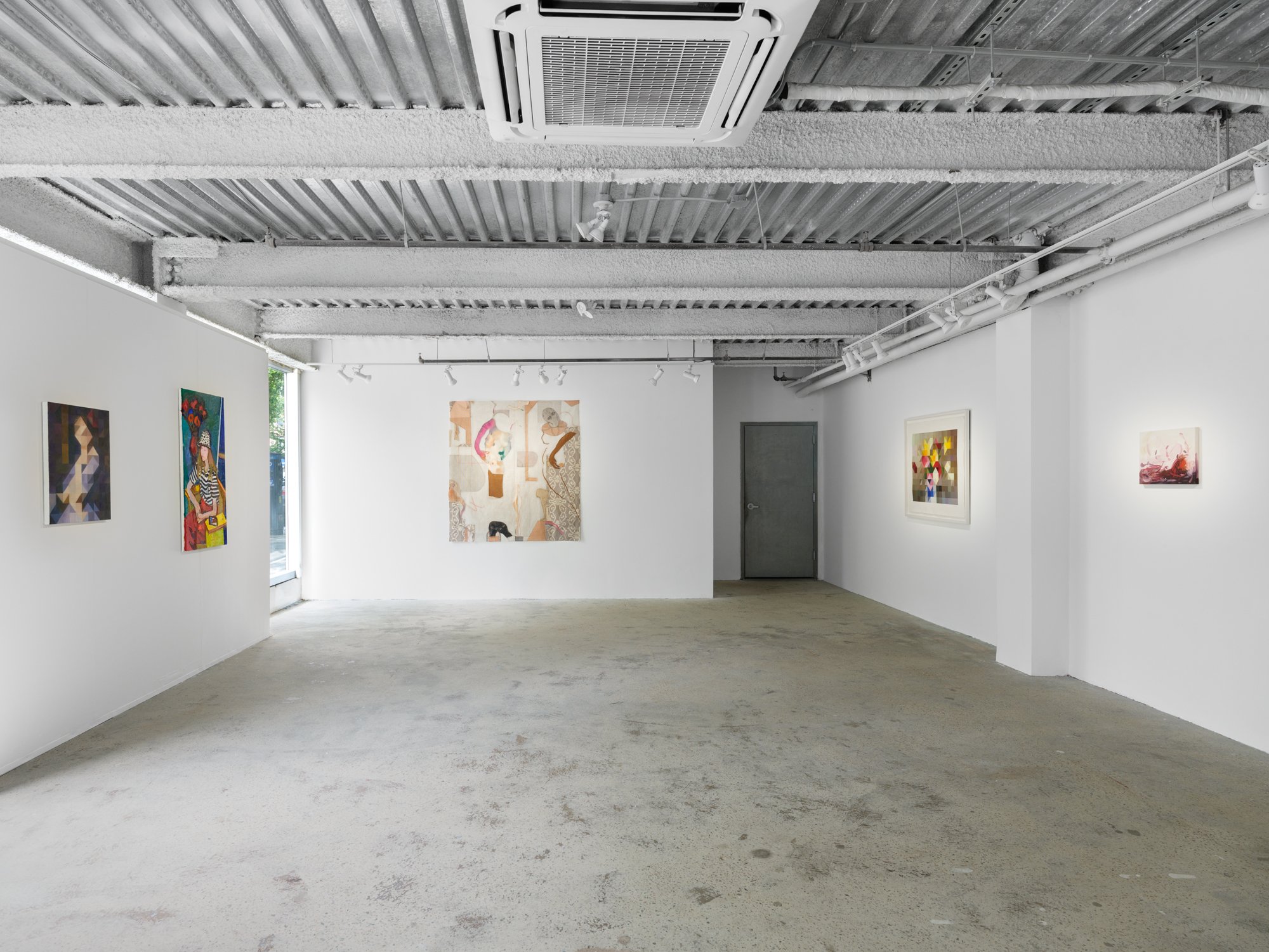
Across painting, textile, mixed media, and sculpture, the exhibition traces the body through fragments, gestures, contours, surfaces, and material remains. Presence appears not only through representation, but through what lingers: the pressure of touch, the memory of movement, the architecture of garments, the figure that remains partially withheld.
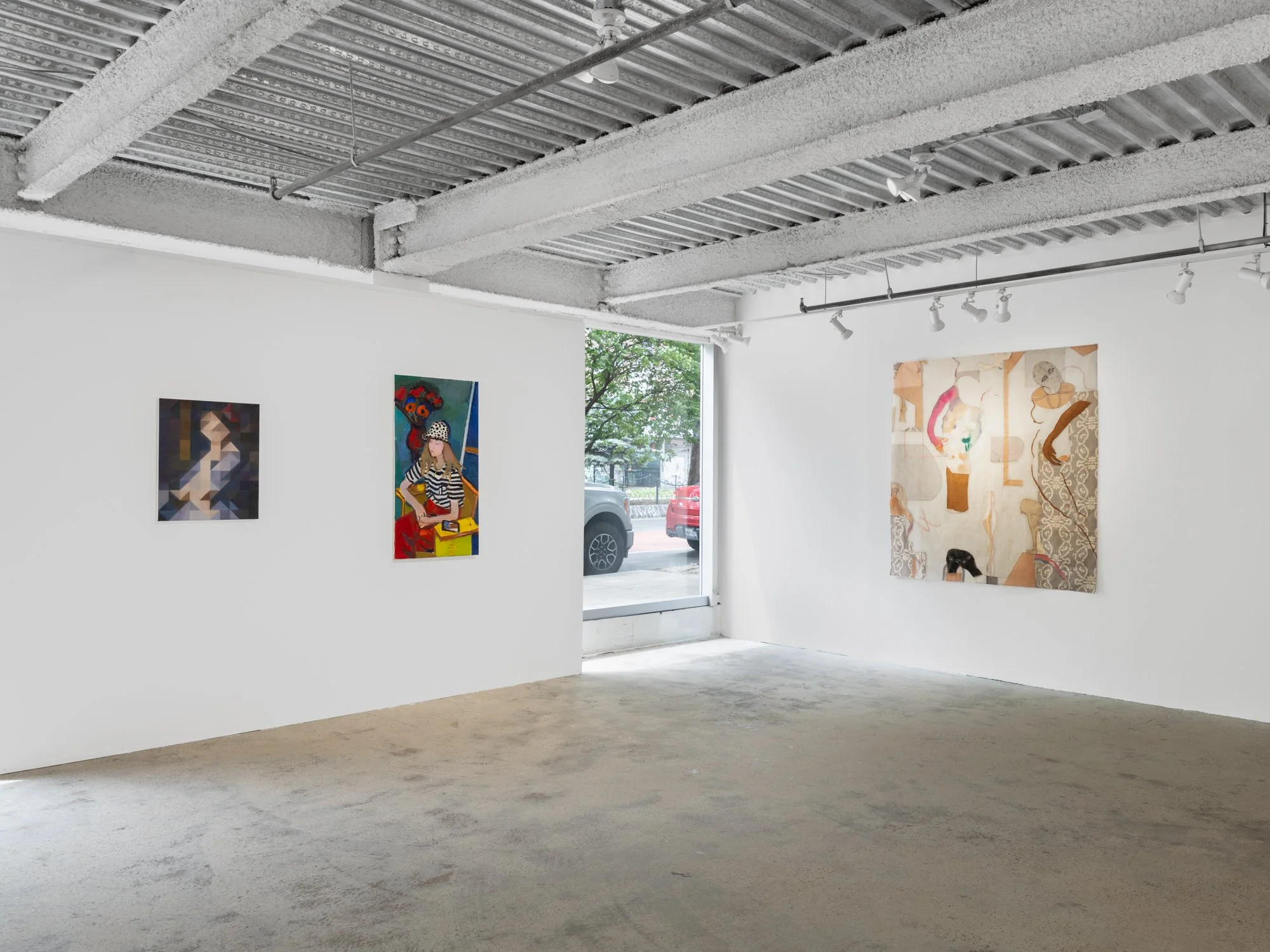
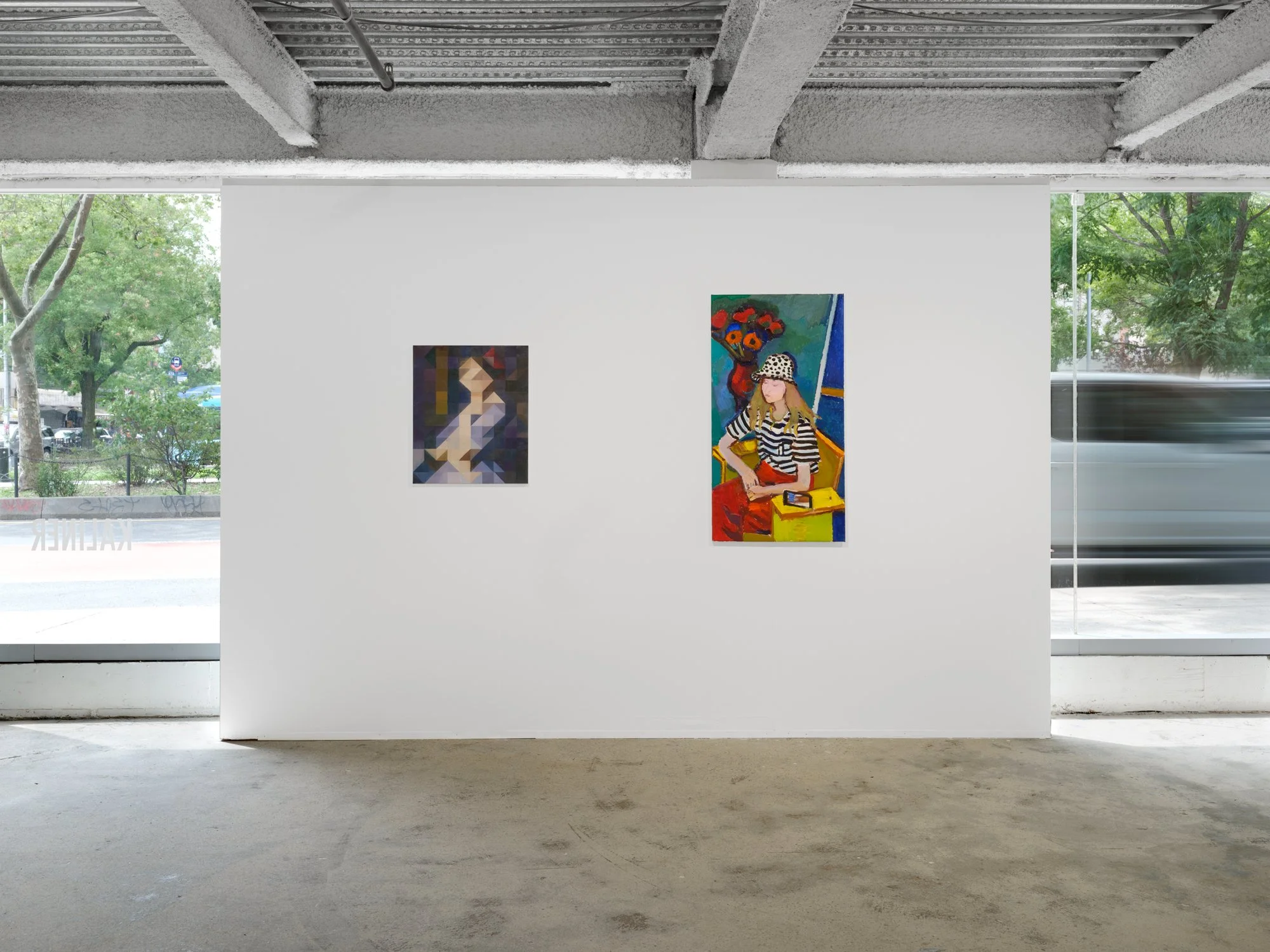
In Yana Beylinson’s new series, Distillations, the trace of human presence emerges through the act of looking back toward art history, inherited visual systems, and traditions of image-making. Drawing from seventeenth-century Dutch still lifes and neoclassical female portraiture, Beylinson divides historical source images into tightly structured grids, translating each cell onto canvas as an individually painted pixel. The image is reconstructed through precision, touch, and sustained attention, hovering between legibility and abstraction. Beylinson’s work expands the idea of presence beyond the depicted figure. Human presence is carried through the historical image, the labor of the hand, and the slow reconstruction of a fragmented source. Influenced by weaving and its associations with women’s craft, her paintings treat the grid as both structure and surface.
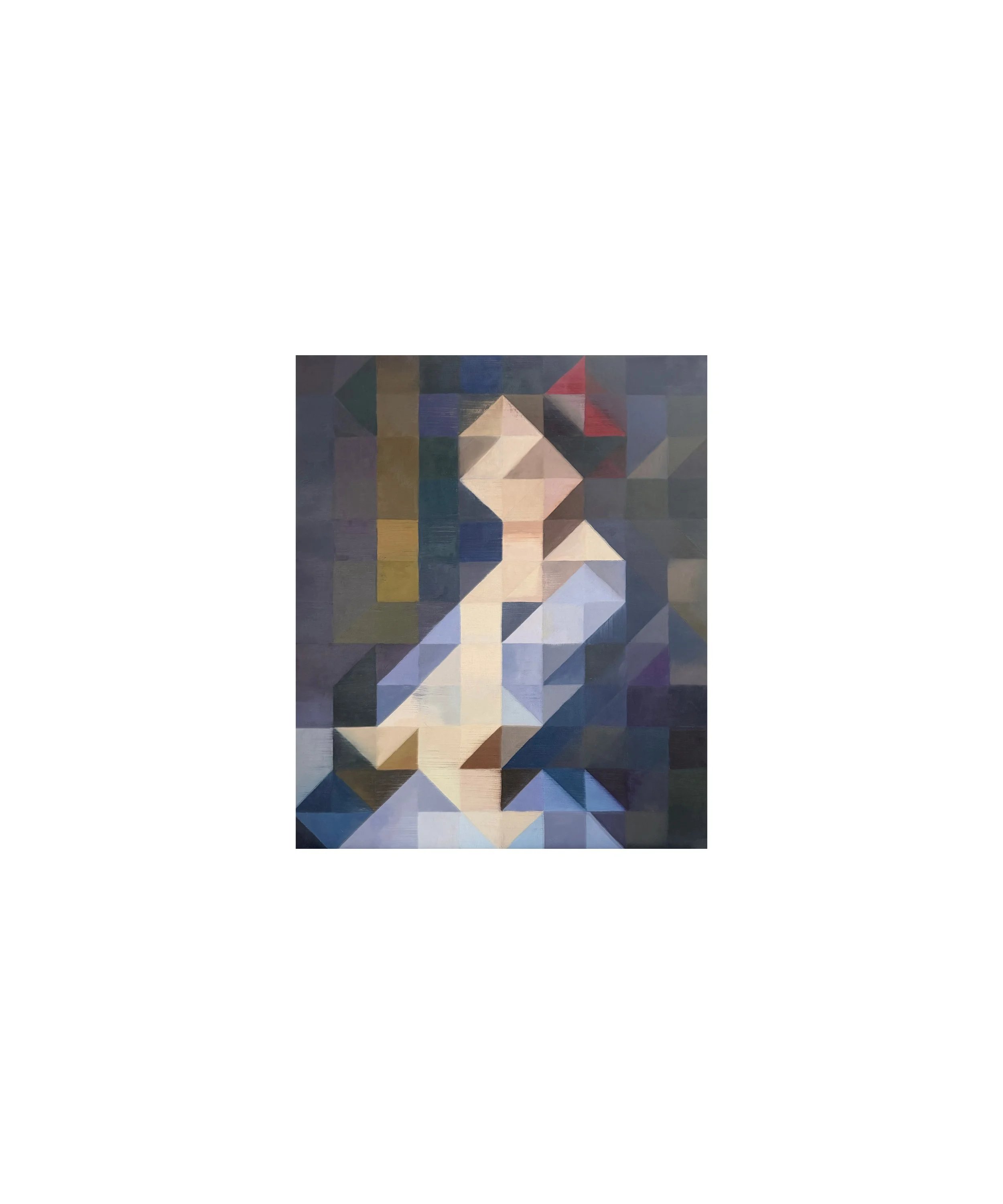
Comtesse d’Haussonville, Yana Beylinson, Oil on linen, 24 x 20 in
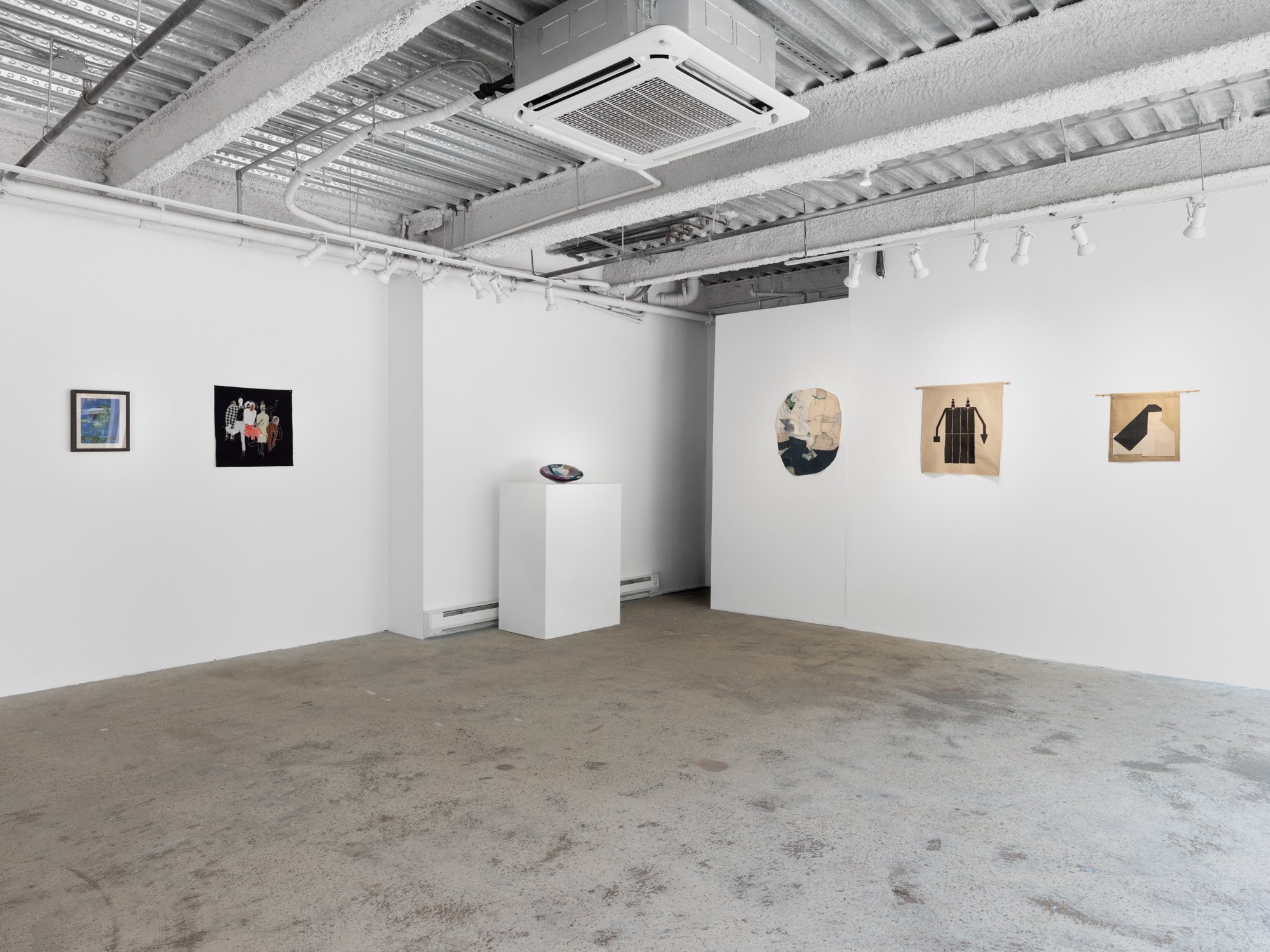
Fanny Allié’s new body of work combines mixed media, printmaking and textile-based languages, emerging from an exploration of discarded materials, overlooked objects, and the marginal elements of everyday life. This new perspective enables an investigation into human experience and the fragile, interconnected narratives that shape the fabric of social existence. In Allié’s recent work, the figures are larger, facing the body of the audience. The layered compositions emerge from experiences that are both individual and collective, forming shared symbolic constellations deeply rooted in the contemporary urban context. The artist repurposes discarded materials and objects to construct presences that retain traces of their original environment, drawing from both the urban landscape and references to dance and theater. The resulting emotional landscapes explore the spaces of everyday experience, beginning with the body, understood as the primary site of experience, perception, and the subject’s inscription within the world.
Natalia Zourabova’s Ester occupies a distinctive place within the artist’s practice. Titled after the artist’s daughter, the painting functions as a portrait, yet resists being read solely as the image of a specific person. Its narrative remains deliberately withheld, unfolding through a series of quiet and enigmatic details. The facial features are only lightly defined, but the precision of the contours suggests an individual presence rather than an imagined or composite figure. Behind the sitter, the flowers create a sense of suspension and weightlessness, while the phone resting on the armrest introduces a subtle marker of everyday life. Through these elements, Zourabova constructs a scene that feels intimate, familiar yet undefined. Rather than stating its narrative directly, Ester allows it to emerge through atmosphere, silence, and suggestion.
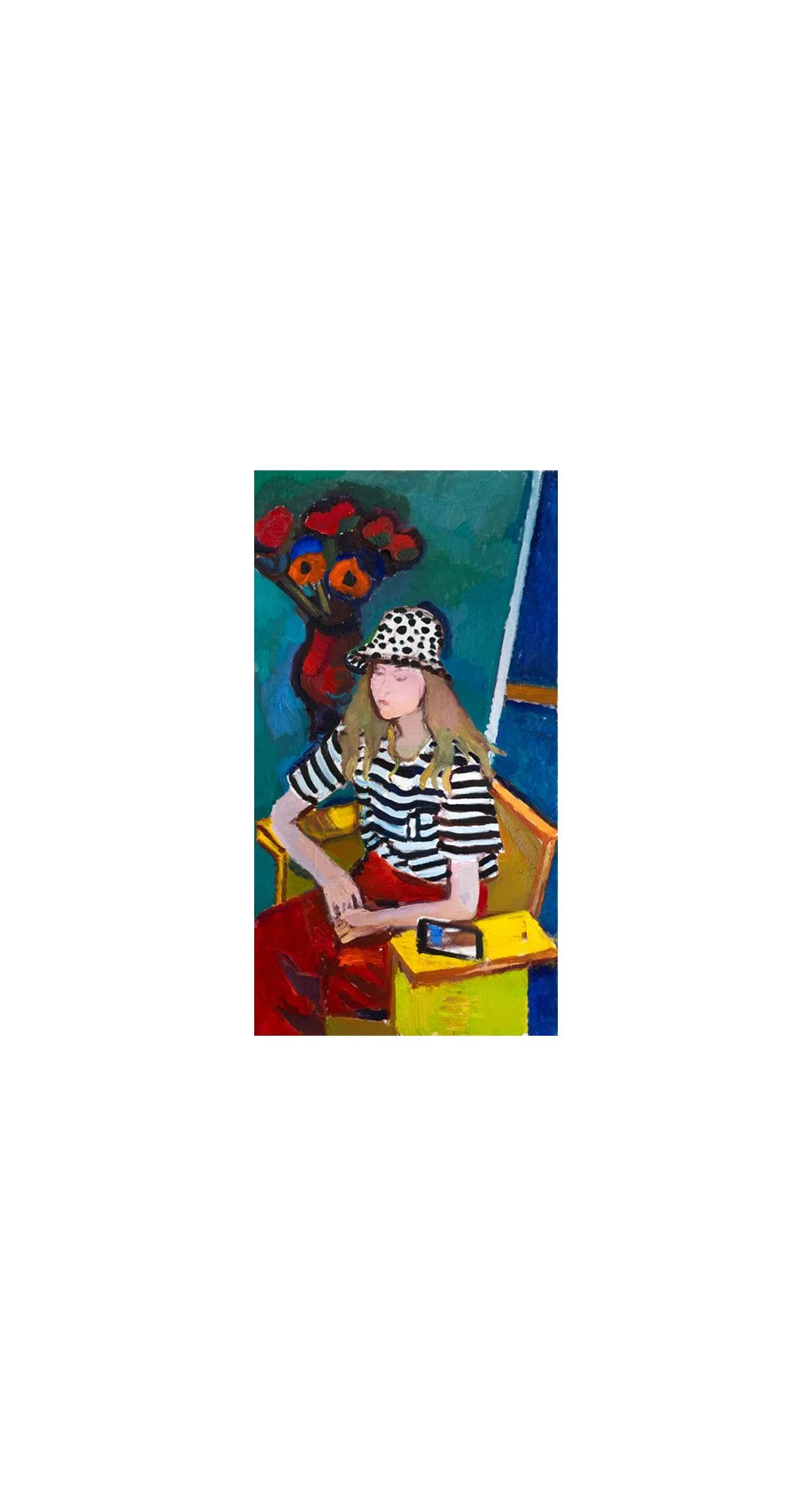
Ester, Natalia Zourabova, Oil on canvas, 43.3 x 23 in
In Pàulla Scàvazzini’s paintings, human presence is registered through movement, breath, and the physical encounter between body and surface. Her layered abstract fields unfold through repeated gestures, color, and sweeping marks, creating compositions where surface and depth remain in flux. Mist, vapor, landscape, rupture, and renewal emerge as unstable atmospheric spaces, at once physical and psychological. Within “Traces of Human Presence”, Scàvazzini’s work expands the idea of the body beyond figuration. Each painting holds the residue of the artist’s movement: a record of touch, rhythm, pressure, and breath sedimented onto the canvas. The gesture becomes a form of evidence, a silent proof that the body was there, acting in relation to the world. As the work moves from the breath of the maker toward the breath of the viewer, presence becomes continuous, carried through matter, perception, and encounter.
Noga Yudkovik-Etzioni’s work belongs to an ongoing series of paper reliefs in which paper functions as both material and support. Through sophisticated techniques of drawing, painting, cutting, rolling, gluing, and stamping, she builds the surface into a layered terrain, allowing the image to move between flatness and relief. The work shifts between abstraction and recognizability, holding impressions of landscape, flora, and memory within its constructed surface. The artist’s work approaches presence through signs of place, touch, and transformation. Drawing from the condensed visual language of stamps, where flowers, birds, and architecture become symbolic, she creates a fragile image of memory under pressure. The flower becomes a witness to a changing landscape, carrying a sense of human sentiment and symbolism.
Ruti De Vries continues her exploration of textile, patterns and garment forms. Built from jute, synthetic leather and fabric fragments, they combine geometric shapes inspired by pockets, and architectural forms. De Vries is interested in how textiles can hold traces of human presence. In her work presented in the exhibition, fabric is never only material; it becomes a surface that carries the memory of the body. Through layering, stitching and assembling materials, she constructs forms that shift between flatness and volume, between two-dimensional composition and sculptural presence. De Vries’s works speak to the body through its material extensions. Garments, pockets, and stitched surfaces become signs of touch, labor, intimacy, and absence. Her practice offers sculptural forms that feel both familiar and unresolved, holding the imprint of the human body while resisting a fixed image of it.
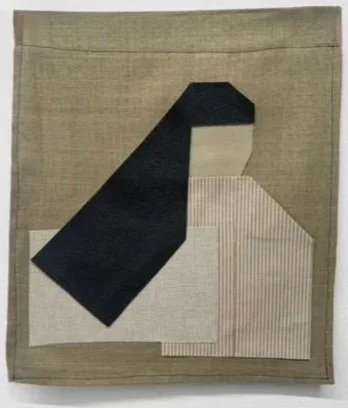
Squaring, Ruti De Vries, fabrics on linen, 16 x 14.5 in
Austin Fields’ Aquarelle series draws from the fluidity and translucency of watercolor paintings, translated through the material language of hand blown glass. Layered transparencies, subtle gradients, and shifting forms emerge through a process guided by movement and transformation. Existing between painting and sculpture, the wall mounted works preserve fleeting gestures within material form, reflecting the exhibition's exploration of what remains: traces of action, shifts in perception, and the ways presence becomes embedded within matter. The Aquarelle series reimagines glass as the canvas itself. Layers of color, transparency, and movement are composed within the material, creating works that exist between painting and sculpture. Each piece emerges through a fluid, unrepeated process in which heat, gravity, and gesture shape the final composition. Rather than serving as a support for an image, the glass becomes the painting, capturing a singular moment that cannot be repeated.
In these works, the body is at once visible and withheld. Figurative textile works confront the viewer with physical presence, while portraits resist full identification. Discarded and repurposed materials carry the memory of the urban environments from which they emerged. The paintings open into atmospheric and psychological spaces that exceed their scale. Across these distinct practices, material becomes a site of inscription, holding traces of lived experience, social relation, and interior life.
“Traces of Human Presence” unfolds through the tension between appearance and disappearance, intimacy and distance, embodiment and abstraction. The artists do not simply depict the human form; they examine the conditions through which presence is perceived, remembered, and transformed. Together, the works form a language of partial revelations - bodies assembled, veiled, recalled, and reimagined through matter.
The exhibition is on view through August 1st.