
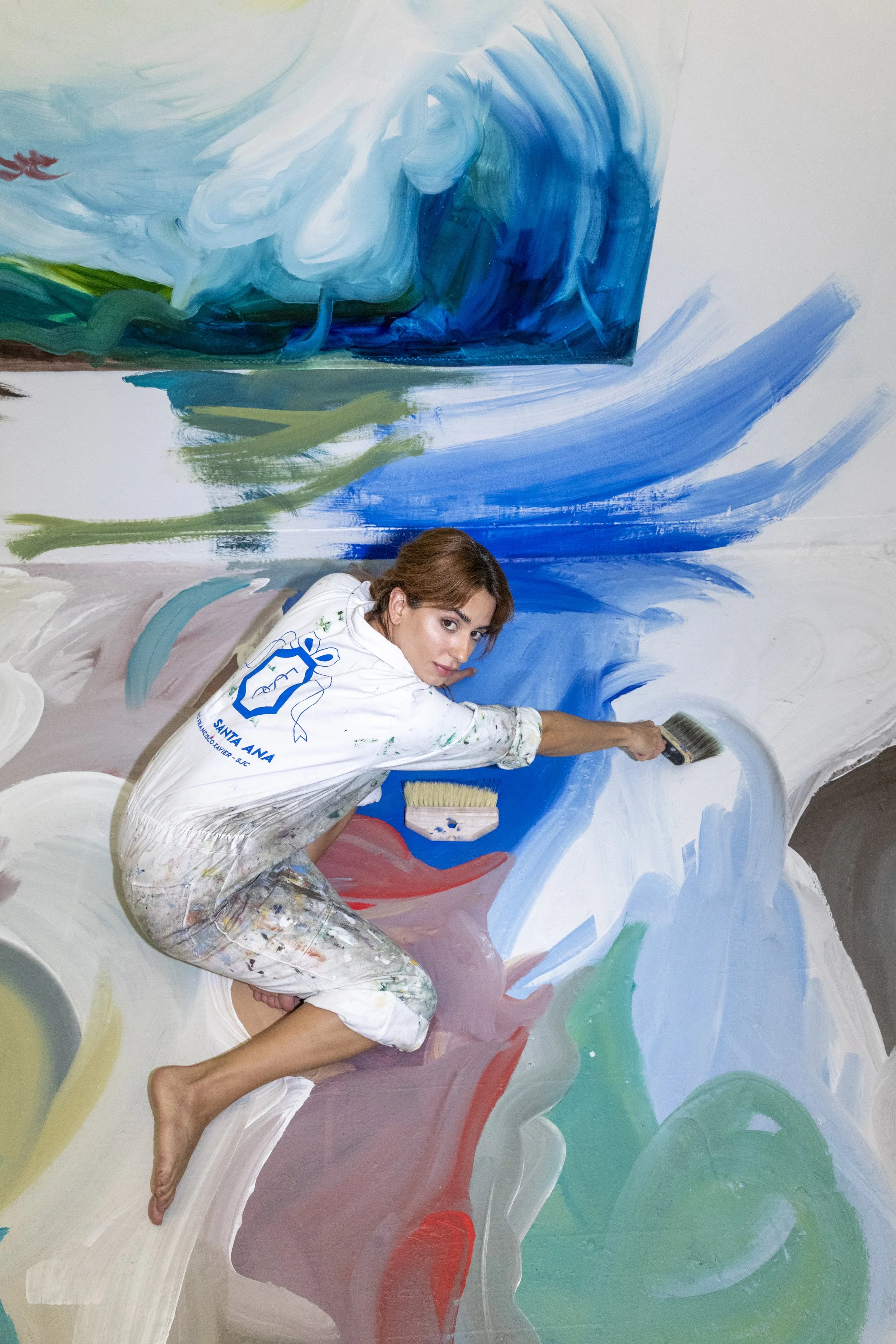
Pàulla Scàvazzini (b. 1990, São José dos Campos, SP, Brazil) is a visual artist based in São Paulo. She studied Architecture and Urbanism at Universidade Presbiteriana Mackenzie, graduated in Fine Arts from Fundação Armando Álvares Penteado, and earned a degree in Art Education from Faculdade Santa Marcelina, all in São Paulo.
She has participated in residencies at Zaratan – Arte Contemporânea, Lisbon (2017), the Cité Internationale des Arts, Paris (2018 and 2022), and the School of Visual Arts, New York (2025). Recent exhibitions include the solo shows We Are Apocalyptic (SVA, New York, 2025) and Estranhamente Familiar (Projeto Vênus, São Paulo, 2022), as well as group and institutional exhibitions such as Meu Quintal é Maior que o Mundo (Casa Triângulo, São Paulo, 2025) and E o Palhaço, Quem É? (Paço das Artes, São Paulo, 2024). Her work is held in public collections such as Museu de Arte Brasileira, São Paulo, and Museu Inimá de Paula, Belo Horizonte, as well as in private collections in Brazil and abroad.
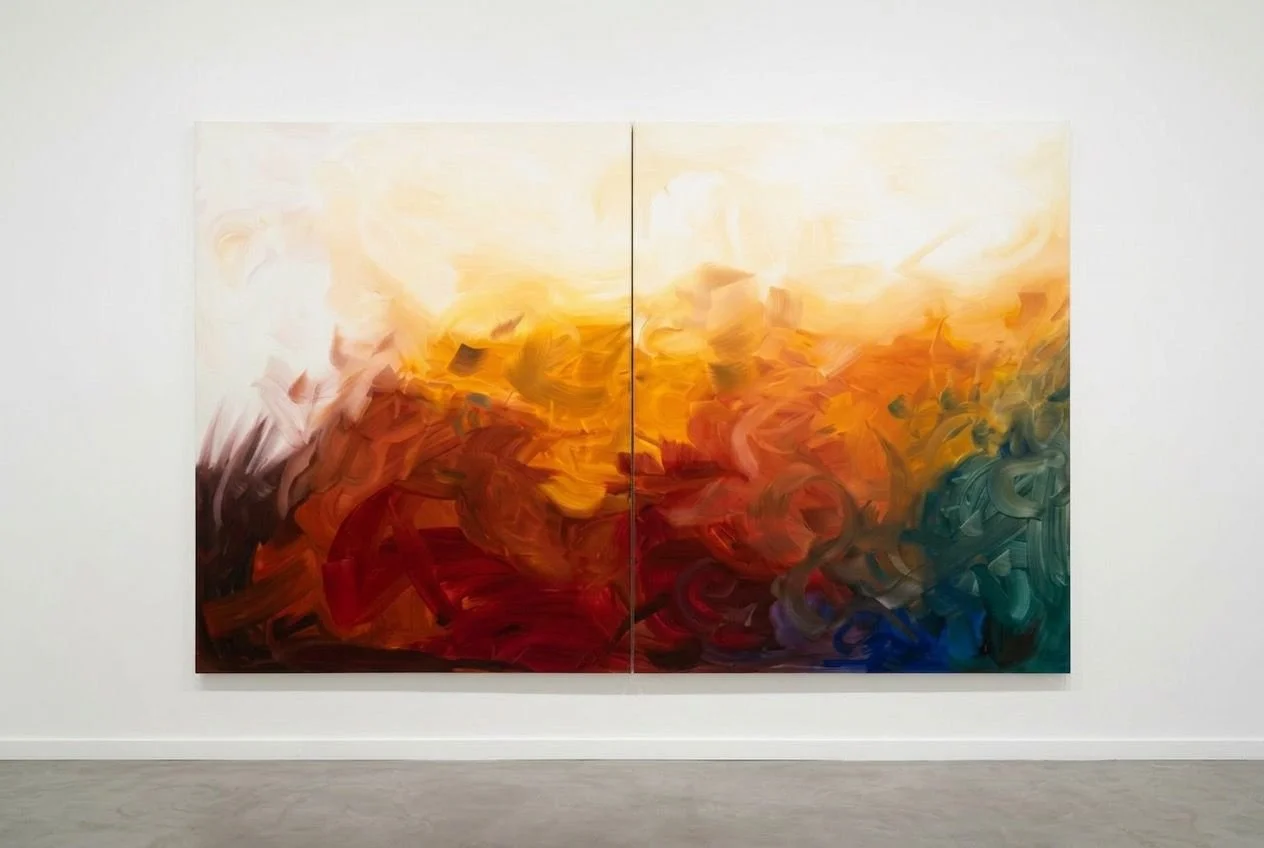
With over a decade of professional experience, Pàulla constructs utopias fundamentally through painting—developed across multiple supports and scales, from small formats to architectural dimensions. Her research has encompassed portraits, animals, painting-objects, floral formations, “abstracted landscapes,” and installations, all marked by gestural expression, vibrant color, and a playful dialogue between reality and fiction. Gradually, she moves away from literal representation to reach the essence of gesture, color, light, facture, composition, and scale.
Echoing her early background in architecture, her works often engage directly with the spaces they inhabit—whether through paintings that converse with the exhibition environment or through interventions painted onto the space itself. Painting emerges in direct relation to space, to architectural scale, and to the ways in which the body perceives and traverses the environment, resulting in immersive, site-specific installations.
The core of Pàulla’s research centers on deeply gestural paintings with a strong chromatic focus, drawing on the Brazilian tropical botanical universe to reflect the complexities of life in a country that was colonized. Her practice also celebrates the strength and vitality of the historically subjugated feminine—expressed through fluid gestures, radiant colors, and forms that resist erasure and affirm presence. Fragments of vegetation and organic elements are “exploded” into gestures, stains, and fields of color, shifting from figuration toward abstract atmospheres that hover between landscape and ruin, violence and recomposition. In this search, she addresses the tensions and crises of the contemporary world without abandoning an affirmative perspective, in which light, openness, and the possibility of breathing space still appear as structuring forces of the work.
Finally, her smaller-scale paintings, such as those from the series Cápsulas (Capsules), resemble poetic windows or refuges. Each piece — a possible fragment of a larger painting, like part of a puzzle, or its synthesis — acts as an invitation to memory, contemplation, and spatial reconfiguration. They provoke the body to virtually reproduce the pictorial gesture across walls, like a projector of possibilities and illusions. The viewer is urged to rethink painting as a space of personal experience, opening horizons for interdisciplinary dialogue between art, nature, architecture, and the activation of the senses.
Selected Artworks
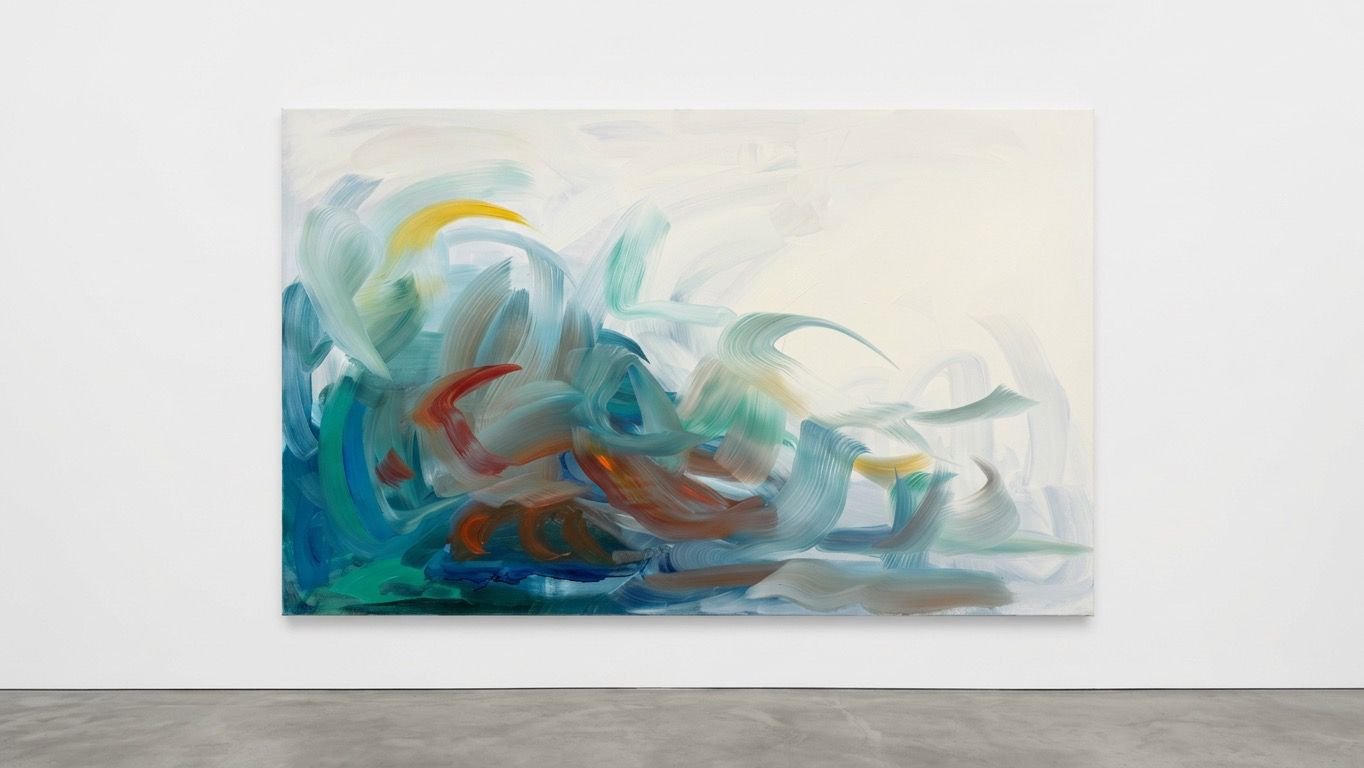
Eating the Sea
2026
Oil on Canvas
30 x 48in
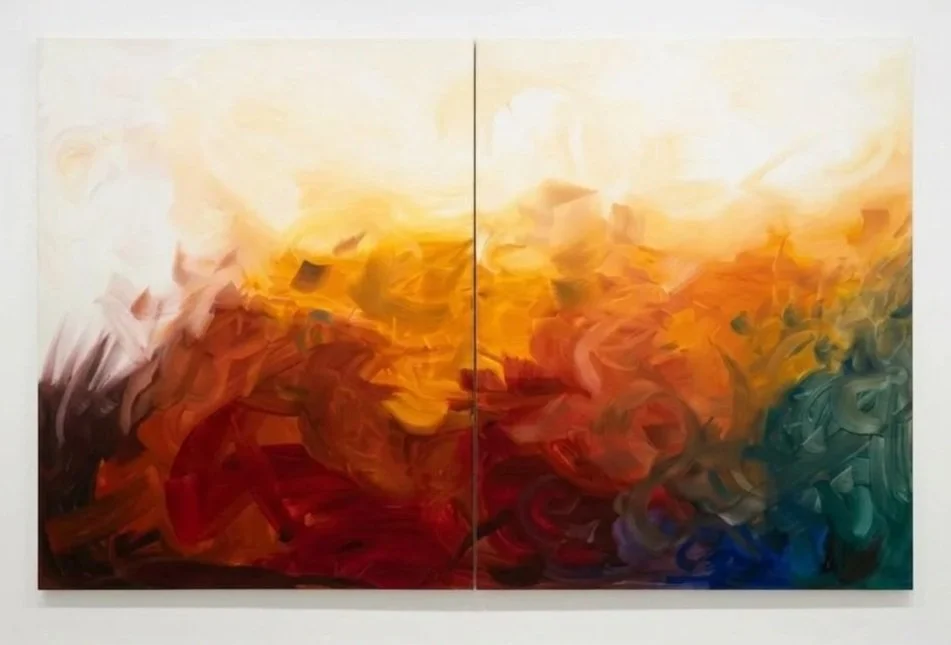
Tongue of Fire
2026
Oil on Canvas
60 x 96 in
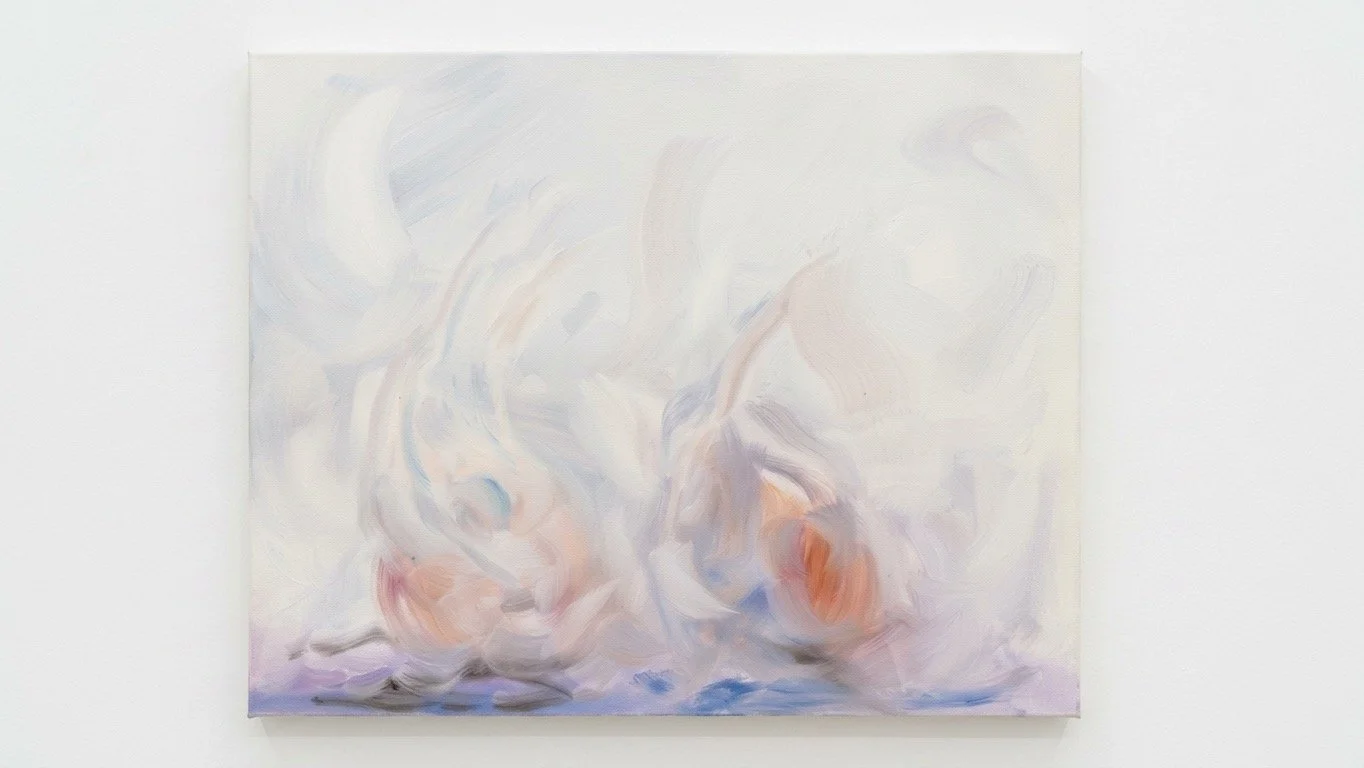
The Contours of the Shimmering Mist
2026
Oil on Canvas
16 x 20
Exhibitions
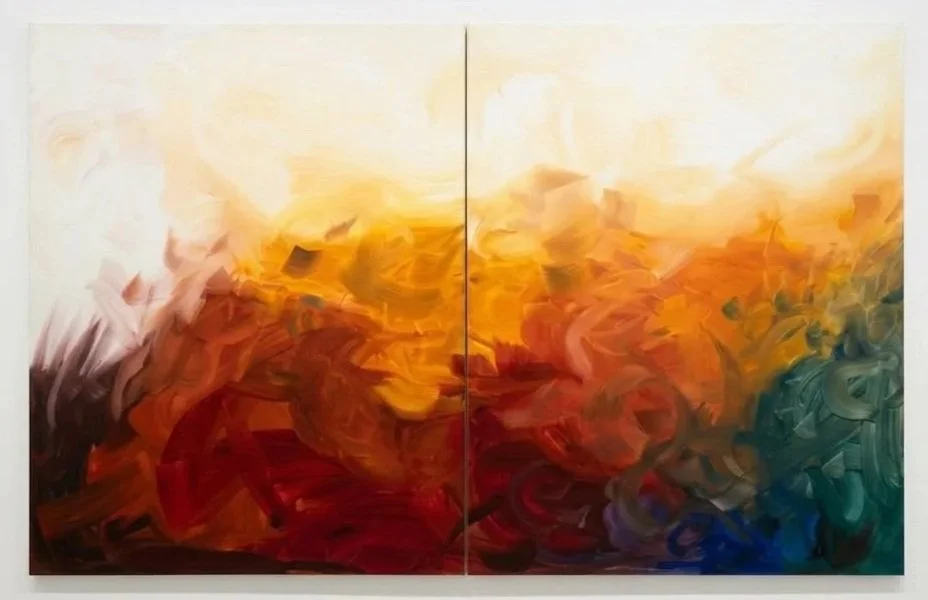
BETWEEN UTOPIAS AND THE ABYSS
Austin Fields and Pàulla Scàvazzini
April - May 2026